
Restoring the Shoreline with Native Flora
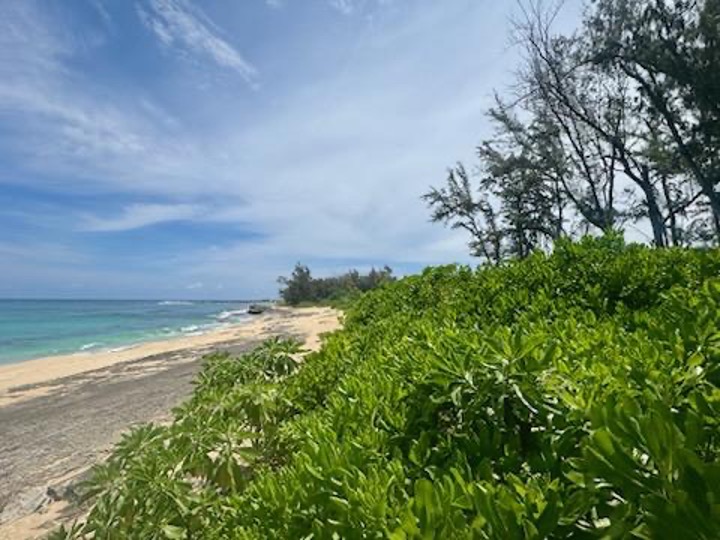
A stretch of shoreline before and after six months of restoration efforts. Unlike invasive ironwood trees, native plants like the naupaka pictured above catch and retain sand on the beaches, playing a pivotal defensive role against erosion.
April marks Native Hawaiian Plant Month — a time to celebrate, honor and mālama the rich botanical heritage of Hawaiʻi. With over 90% of its native flora found nowhere else on Earth, Hawaiʻi’s plant life is both unique and sacred. These plants carry ancestral knowledge, support vital ecosystems and play a central role in cultural traditions.
Areté Collective has partnered with respected local experts to advance efforts to implement the state-approved Forestry Management and Dune Restoration Plan and create a more resilient shoreline.
Henry Fong is a native plant specialist, kuleana landowner and a descendant of the Konohiki of the ahupuaʻa that Turtle Bay sits on today. He plays an instrumental role in propagating various indigenous species to reintroduce to the area, including kou, milo, hala, ʻilima papa, ʻāweoweo papa, pā‘ū o hi‘iaka, pōhuehue, ʻahuʻawa, nanea, ʻakululi and naupaka. These various plants form a diverse ecosystem that effectively fortifies the dunes, improves sand retention and prevents erosion — all while giving a snapshot of the shoreline a thousand years ago.
Areté Collective is also working with Hui Kū Maoli Ola, a native plant nursery with a long history working at Turtle Bay. They are assisting with clearing invasive ironwood trees from the property, taking the first step in preventing further erosion and guiding Areté’s efforts to promote, protect and encourage native species and ecosystems.
“This will be like stepping back in time, as far as what a pristine coastal ecosystem looks like in Hawaiʻi,” said Matthew Schriman, Co-Owner of Hui Kū Maoli Ola Plant Nursery. “At the end of it, the environment will be a healthier place from an ecological perspective.”
By taking these steps to restore, protect, and grow the existing dunes, we can reduce the threat of erosion, minimize the impacts of sedimentation from that erosion, revive habitats for native and endangered species, and leave the shoreline healthier and more resilient than we found it.
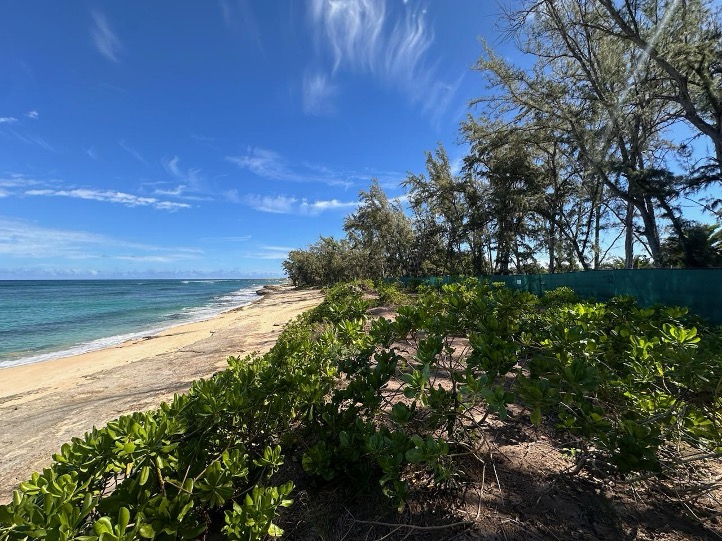
Photo 1: Before, Photo 2: After
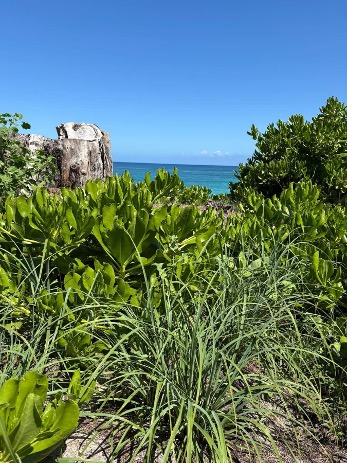
An ʻahuʻawa plant surrounded by naupaka. A diverse palette contributes to a cohesive ecosystem.
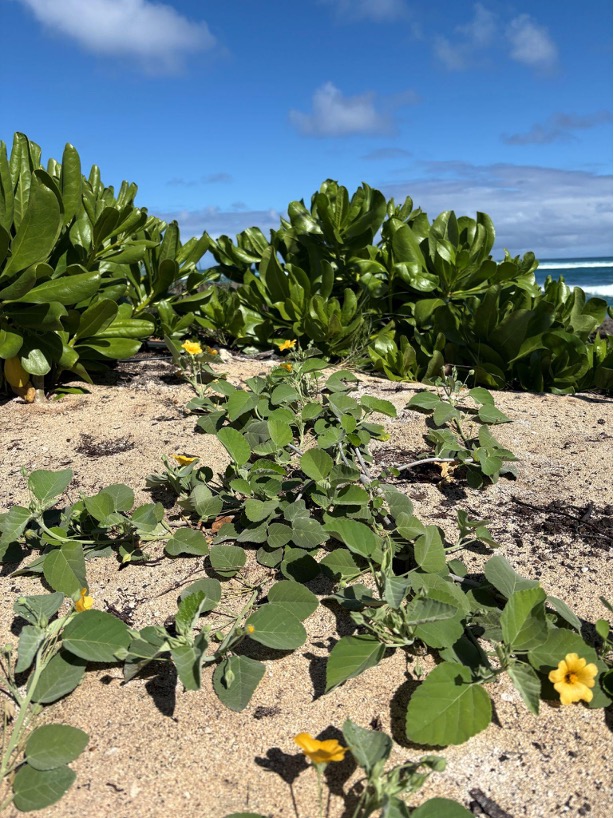
A flowering ʻilima plant. Rebuilding a native, ecologically balanced environment regenerates habitat for native and endangered species.
Recent News
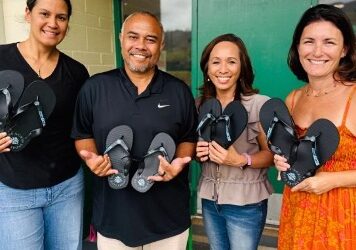
Supporting a Strong Start to the School Year for North Shore Students
For the third consecutive year, Areté Collective proudly supported Operation Backpack, a grassroots initiative that gathers and distributes backpacks and essential school supplies to ensure that North Shore and Koʻolauloa keiki are equipped to thrive in the upcoming school year.
Development Update September 2026
Construction continues on all four building sites.
Selective tree trimming on H2 and RR3 is paused until September 15 when the ‘ōpe’ape’a (Hawaiian hoary bat) pupping season concludes.
Fencing around the mauka basins work is nearly complete.
Ongoing monitoring and maintenance of shoreline restoration and native planting.
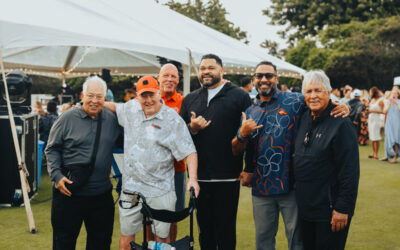
Golf Tournament Raises Over $30,000 for Kahuku Medical Center
The tournament raised $64,000, with $32,000 going directly to Kahuku Medical Center’s emergency room expansion and $32,000 benefiting the Ron McBride Foundation.